How Professional Landscape Maintenance Keeps Mendham NJ Yards Healthy

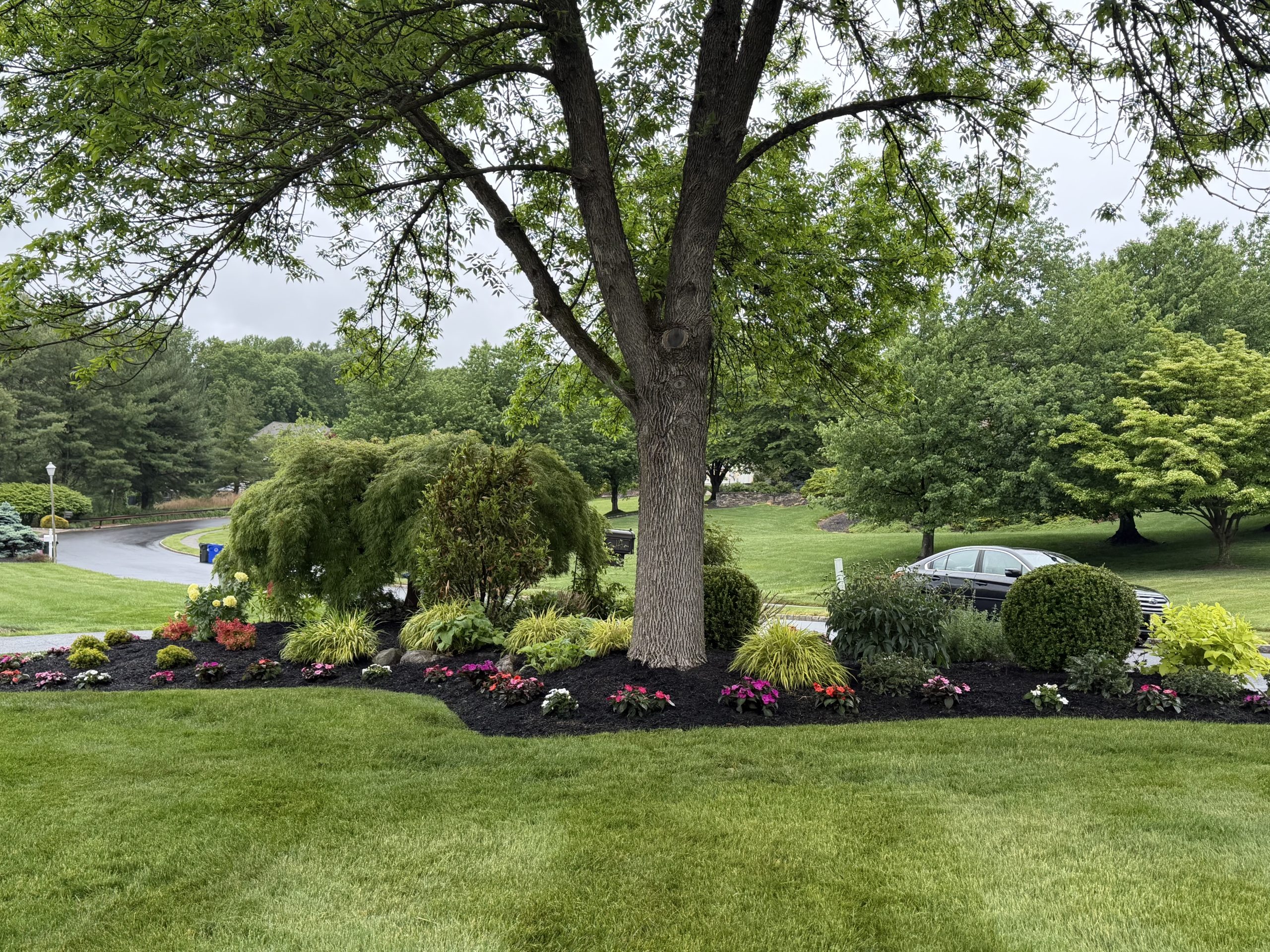

A healthy yard in Mendham does not happen by accident. It comes from steady, informed care that responds to the local climate, the condition of the soil, the age of the plantings, and the way a property is used. Many homeowners look at a tidy lawn or a row of thriving shrubs and see curb appeal. A landscape professional sees something deeper: root health, drainage patterns, insect pressure, compaction, pruning cycles, and the subtle signs that a property is either gaining strength or slipping into decline.
That difference in perspective matters. In a place like Mendham, where properties often feature mature trees, broad lawns, ornamental beds, stonework, and layered plantings, routine care is not just cosmetic. It is preventive maintenance for a living system. Professional landscape maintenance keeps that system balanced. It protects the investment in the property, reduces avoidable losses, and helps the yard perform well through spring rains, summer heat, autumn leaf drop, and winter stress.
The phrase Landscape Maintenance Mendham NJ is often associated with mowing and cleanup, but those are only the visible parts of the job. Good maintenance is ongoing observation followed by timely action. It is less about doing one big thing and more about doing the right small things at the right time, consistently.
Mendham yards face real environmental pressures
Mendham has the kind of landscape many homeowners want: established neighborhoods, generous lots, mature shade trees, and a four-season climate that supports a wide range of plant material. It also has conditions that can work against plant health if maintenance falls behind.
Heavy spring rain can saturate low areas and stress roots. Summer can bring stretches of heat that burn turf, especially on slopes or in areas with shallow soil. In older landscapes, trees cast denser shade every year, which changes what the lawn and understory plantings can realistically tolerate. Deer browsing, storm damage, winter salt exposure near drives, and compacted soil from foot traffic all add pressure.
A yard can look acceptable for months while underlying problems build. Turf may stay green enough to avoid attention even as the root system weakens. Foundation beds may appear full, but poor pruning can create dense outer growth and bare interiors. Mulch may look fresh while it is actually piled too high against trunks and stems, trapping moisture where it should not be. This is where experienced Landscape Maintenance makes a practical difference. A trained crew notices gradual decline before the homeowner sees a major failure.
Healthy lawns depend on more than cutting grass
Lawn care is the most visible part of most maintenance programs, but mowing alone does not create healthy turf. In fact, poor mowing can quietly damage it.
One of the most common issues on residential properties is cutting too short. Homeowners often assume a lower cut means less frequent mowing. In practice, it does the opposite. Scalped turf loses moisture faster, becomes more vulnerable to weeds, and has less leaf surface for photosynthesis. During hot weather, that stress compounds quickly. A professionally maintained lawn is generally cut with the season and grass type in mind, not on a one-height-fits-all setting.
There is also the issue of timing. In wet spring conditions, mowing too early can rut the lawn and compact the soil. In high summer, mowing during severe heat can add stress if the blades are dull or too much growth is removed at once. A professional crew adjusts. That may mean raising the deck height, skipping an area that is too soft to support equipment, or changing the route to reduce repetitive wheel pressure.
Fertilization is another area where experience matters. More product does not mean better results. On many Mendham properties, overfertilizing creates lush top growth that looks good briefly but demands more water and becomes susceptible to disease. Underfertilizing can leave turf thin and defenseless. The goal is balanced growth that matches the site conditions, season, and overall maintenance plan.
Aeration and overseeding are especially important on lawns that see use from kids, pets, or frequent gatherings. Compacted soil limits oxygen exchange and restricts root growth. You can water and fertilize a compacted lawn and still get mediocre results because the root zone remains unhealthy. Proper aeration opens the soil, Landscape Maintenance Mendham NJ helps water move in, and creates better conditions for seed establishment. On many northern New Landscape Maintenance Mendham NJ Jersey properties, that work is best timed for late summer into early fall, when cool-season grasses recover more reliably.
Shrubs and ornamentals need deliberate pruning, not random trimming
A lot of landscape damage comes from good intentions paired with bad timing. Shrubs are often cut simply because they look big, uneven, or untidy. The result can be years of weak growth, poor flowering, or irreversible shape problems.
Professional pruning starts with the species, the age of the plant, and the goal. Is the objective to control size, improve structure, remove storm damage, encourage flowering, or open the plant for airflow? The answer changes how and when cuts should be made.
Hydrangeas are a good example. Some bloom on old wood, others on new wood. Prune the wrong variety at the wrong time and you remove the season’s flowers. Boxwoods present a different challenge. They tolerate shaping well, but if they are sheared repeatedly without interior thinning, they can become dense on the outside and weak within. That dense shell blocks light and air, which can increase disease pressure. Azaleas and rhododendrons often need a lighter touch than homeowners expect, especially in partially shaded Mendham landscapes where airflow already runs limited.
There is also a difference between pruning and constant clipping. One promotes plant health and natural form. The other often chases symmetry at the expense of vigor. On higher-end properties, that distinction is easy to see by midsummer. Well-maintained shrubs look full but not swollen, controlled without appearing forced.
I have seen mature foundation plantings recover dramatically after a single season of corrective pruning and more disciplined maintenance. A row of overgrown yews that once pressed against a front walk can regain depth and texture when thinned properly, with selective reductions instead of harsh shearing. The transformation is not instant, and that is the point. Real plant health is usually restored over time, not with one aggressive cut.
Soil is the hidden engine of the landscape
The visible parts of a yard get the most attention, but soil quality drives nearly everything. If the soil is compacted, poorly drained, depleted, or mismatched to the plant palette, even expensive landscapes struggle.
Mendham properties vary. Some have naturally decent loam. Others have sections where topsoil was disturbed during construction, leaving subsoil near the surface. Newer installations sometimes fail because the visible finish looked complete while the soil profile never got corrected. Trees and shrubs then go into a root environment that is either too dense, too wet, too dry, or too shallow.
Professional maintenance crews often become the first ones to identify those issues in an existing yard. They notice water pooling after rain, plantings that wilt despite irrigation, turf that greens unevenly, or mulch beds where surface roots are exposed. Those clues point back to the soil.
Topdressing, compost amendment in selected beds, pH adjustments where appropriate, and better watering practices can all improve soil performance over time. So can reducing unnecessary foot and equipment traffic. The improvements are gradual, but the payoff is broad. Healthier soil supports deeper roots, steadier moisture, better nutrient uptake, and stronger resilience during stress.
A yard with healthy soil almost always shows it. The lawn recovers faster after heat. Perennials hold better color. Shrubs put on balanced growth instead of the soft, overstimulated flush that collapses under weather pressure. Even weed pressure often decreases because desirable plants occupy space more effectively.
Water management often determines whether a yard thrives or merely survives
When homeowners think about watering, they usually think about drought. In reality, both too little and too much water can damage a Mendham landscape. The challenge is that overwatering often looks like underwatering at first glance. Leaves droop, turf thins, and decline spreads. Without experience, people add more water to a root system that is already oxygen-starved.
Professional landscape maintenance includes reading the site rather than following a rigid watering habit. South-facing slopes, shaded back lawns, newly planted beds, and established shrubs do not all need the same treatment. Irrigation systems also age. Heads clog, coverage shifts, and one zone can soak a bed while another barely reaches the root area.
Drainage matters just as much. A lawn that stays wet long after rainfall is vulnerable to fungal issues and root weakness. Beds at the bottom of downspouts can become chronic trouble spots if runoff is not redirected. Even decorative choices, such as a solid edging detail or excess mulch, can interfere with water movement.
On many properties, the healthiest change is not adding more irrigation but making the existing water use smarter. That may involve shorter, deeper cycles instead of frequent shallow sprays. It may involve hand-watering new plantings separately so the lawn is not overwatered to compensate. It may also mean acknowledging that a particular area should transition from struggling turf to a shade-tolerant groundcover or expanded planting bed.
That kind of judgment is one of the clearest advantages of professional care. Good maintenance does not force the landscape to be something the site resists. It works with the site so the yard becomes more stable over time.
Seasonal timing is where professional care earns its value
One reason homeowners struggle to keep landscapes healthy is that so much of the work depends on timing. The tasks themselves are not always mysterious. The calendar and weather are what make them difficult.
Spring is not just cleanup season. It is when winter damage becomes visible, pre-emergent weed control may be considered, lawns start active growth, and many shrubs begin setting the stage for the year. If pruning is delayed too long on certain species, flowering suffers. If beds are left packed with debris, disease pressure can rise. If turf is pushed too hard with early nitrogen, it may look impressive for a few weeks and then stumble once heat arrives.
Summer is often about stress management. Mowing practices become more important. Watering errors become more expensive. Insect and disease issues show themselves more clearly. This is when experienced crews keep a property from unraveling. They adjust expectations, protect root zones, and avoid cosmetic shortcuts that create larger problems later.
Fall is where many landscapes either recover or miss their best opportunity. Cool-season turf responds well to aeration and seeding. Many woody plants benefit from attention after the heaviest summer stress has passed. Leaf management becomes essential, especially on properties with mature oaks and maples. Letting leaves mat over lawn areas for too long invites decline and can leave the turf weak going into winter.
Winter is quieter, but it still affects long-term health. Salt injury near pavement, snow pile damage, and broken branches from ice all carry consequences into spring. A property that is maintained year-round is easier to protect because issues are caught early, before they become expensive removals or replacements.
Weed, pest, and disease control works best when it is observant
There is a temptation to think of pest and weed control as product-driven. Apply something, solve the problem. Real life is less tidy. Effective control depends on accurate identification, timing, site conditions, and restraint.
A lawn full of weeds may not primarily have a weed problem. It may have a density problem caused by compaction, poor mowing, thin shade-stressed turf, or weak fertility. Spraying alone will not fix that. The weeds may disappear briefly and return because the conditions that allowed them in remain unchanged.
The same goes for ornamental beds. Recurring fungal issues often trace back to crowding, poor airflow, splash from irrigation, or plants placed where they never really suited the light and moisture conditions. A professional who maintains the property regularly can spot those patterns. That ongoing familiarity matters. It is easier to catch boxwood blight risk, scale activity, or spider mite damage when the crew knows what normal looks like on that property.
There is also value in not overreacting. Every chewed leaf does not require treatment. Every patch of discoloration is not a disaster. Sometimes the right call is to monitor, adjust maintenance, and let the plant recover naturally. That judgment protects the landscape and avoids unnecessary inputs.
Mulch, edging, and bed care do more than improve appearance
Fresh mulch is one of the quickest ways to make a property look cared for, which is why it often gets treated as a cosmetic service. But mulch has a functional role when it is applied correctly.
A proper layer helps moderate soil temperature, suppresses weeds, and slows moisture loss. The trouble begins when mulch is piled too deep or pushed directly against trunks and stems. This is still common, even in attractive neighborhoods. Overmulching can hold too much moisture, encourage surface rooting, and stress shrubs and trees over time. A healthy bed is neat, yes, but it also breathes.
Edging matters too. Clean bed lines keep turf from invading planting areas and reduce the need for rough string trimming around valuable shrubs. That is not just a visual issue. Repeated mechanical damage from trimmers can wound bark and create long-term problems near the base of young trees and ornamentals.
Bed care also includes weeding before problems mature, removing spent perennial growth with some sensitivity to season and habitat value, and checking whether plants are outgrowing their space. On many older Mendham properties, the healthiest maintenance decision is selective editing. Not every bed needs more plants. Some need fewer, better-spaced plants that can actually thrive.
Mature trees shape the health of the entire yard
In Mendham, mature trees often define a property’s character. They also influence nearly every maintenance decision below them. Shade, root competition, leaf drop, moisture use, and branch structure all affect lawn performance and plant selection.
A lawn that once thrived in open sun can slowly fail as the canopy expands. Homeowners sometimes respond by increasing fertilizer, irrigation, or reseeding frequency. Those steps may help temporarily, but they do not change the light conditions. In many cases, the smarter long-term move is to accept that the site has changed and adapt the landscape accordingly.
Tree health itself needs attention. Deadwood removal, canopy assessment after storms, and protection of the root zone during other work all matter. One of the most common mistakes on residential properties is treating the space under mature trees like ordinary ground. Repeated equipment passes, grade changes, excess mulch, and root disturbance can stress a valuable tree far more than people realize.
When maintenance crews coordinate lawn care, bed work, and tree considerations as one system, the property becomes easier to manage. The lawn is not fought where it no longer belongs. Beds are expanded intelligently. Surface roots are respected. The visual result usually looks more refined because it is based on the reality of the site.
Professional maintenance protects property value in ways owners notice later
Some benefits of Landscape Maintenance are immediate. The yard looks clean, the lawn is cut, the beds are tidy. Other benefits are the kind people only fully appreciate after years pass.
Healthy landscapes age better. Shrubs hold useful size longer before needing replacement. Lawns stay denser and require fewer rescue treatments. Drainage issues get corrected before they undermine turf or hardscape. Trees receive attention before damaged limbs become hazards. Seasonal work happens on schedule, which reduces the boom-and-bust cycle of neglect followed by expensive catch-up.
For homeowners planning to stay in a property, this creates a more usable outdoor space and lower long-term disruption. For those thinking about resale, it supports the kind of first impression buyers trust. A landscape does not have to be extravagant to signal quality. It has to look stable, intentional, and cared for.
I have seen properties where steady maintenance preserved mature screening, corrected chronic lawn stress, and gradually simplified troublesome bed areas. The owners did not need a dramatic redesign. They needed consistency and informed decisions. That is often the better investment.
What homeowners should expect from a strong maintenance program
Not every maintenance service delivers the same value. The difference usually comes down to observation, communication, and consistency. A competent program should do more than complete tasks on a route. It should respond to how the property is actually performing.
Homeowners should expect a team to notice changes and raise them early. A thinning patch of turf near a drainage swale, a shrub failing to leaf out evenly, evidence of vole activity after winter, or an irrigation zone that suddenly seems too wet all deserve attention before they escalate. They should also expect realistic recommendations. Sometimes the best answer is increased care. Sometimes it is a plant replacement, a bed expansion, or a shift away from a struggling feature.
A strong maintenance relationship also recognizes trade-offs. A family that wants a highly usable lawn for recreation will manage the property differently from one that values low input and naturalized areas. A formal front entry with clipped evergreens requires a different rhythm than a largely wooded lot. Good professionals do not force every property into the same formula. They tailor Landscape Maintenance to the site and the owner’s priorities.
The healthiest yards are managed, not merely serviced
There is a practical distinction between servicing a yard and managing it. Servicing checks boxes. Managing pays attention to outcomes.
That distinction is why professional Landscape Maintenance Mendham NJ matters so much on established residential properties. The goal is not just to keep things presentable week to week. It is to support the biology and structure of the landscape so it remains healthy, resilient, and attractive over the long term.
A well-managed yard usually feels easier to live with. Water drains where it should. The lawn recovers after stress. Shrubs stay proportional. Trees remain assets instead of worries. Beds hold their shape through the season. Problems still happen, because every landscape faces weather and wear, but they are handled earlier and with better judgment.
That is the real value of professional care. It turns a landscape from something that constantly needs fixing into something that steadily improves under disciplined attention. In a place like Mendham, where the character of a property is closely tied to the health of its grounds, that kind of maintenance is not an extra. It is what keeps the yard alive, balanced, and worth the investment year after year.
Majestic Mowing & Landscaping LLC
Phone number: +19733975532
FAQ About Landscape Maintenance Mendham NJ
What is meant by landscape maintenance?
Landscape maintenance means the ongoing care, upkeep, and management of outdoor spaces like lawns, gardens, and parks to keep them healthy, clean, safe, and attractive. It involves regular tasks such as mowing grass, trimming plants, and managing water systems.
Is $100 an hour too much for landscape work?
Yes, $100 an hour is on the high end for basic landscaping, but it can be fair depending on crew size, equipment, and tasks. Standard rates usually fall between $25 and $75 per hour, while professional companies often bill $75 to $150+ per hour for multi-person crews or specialized labor.
What does landscape maintenance consist of?
Landscape maintenance consists of regular outdoor property upkeep focused on keeping yards healthy and clean, primarily through routine lawn mowing, plant bed weeding, and shrub trimming.